
How to Preserve Capital When Buying Off-Plan in Dubai
Key Takeaways
- Capital is your position. Buyers who overcommit to a payment plan without sufficient reserves are not investing in Dubai real estate. They are gambling on it.
- The DLD framework is strong, but it does not protect you from yourself. Escrow compliance and RERA oversight protect your money from a developer. They do not protect you from over-leveraging your own purchase.
- Developer quality is the variable buyers underestimate most. A RERA-registered project is a necessary condition. A developer with a genuine track record is what turns a compliant purchase into a sound one.
- Off-plan done correctly is one of the strongest value propositions in Dubai real estate.
Off-plan property in Dubai draws buyers for a clear reason: you purchase at today's price, pay in stages across the construction timeline, and take ownership of a completed asset that, in a well-chosen project, has already appreciated before you receive the keys. The structure is sound. The risk is not the structure itself. The risk is in how buyers approach it.
The buyers who lose money buying off-plan in Dubai are rarely the ones who were misled by the market. They are the ones who overcommitted capital, chose a developer without scrutinising their track record, or signed a payment plan they could not sustain if circumstances changed.
This article is about the discipline that separates a sound off-plan purchase from a precarious one. It draws on the regulatory framework the Dubai Land Department has built since 2008, and on the principles Heritage Development applies to every project it delivers.
Quick answer
Preserving capital when buying off-plan in Dubai comes down to three things: ensuring your funds are protected by a DLD-monitored escrow account under Law No. 8 of 2007; choosing a payment plan that leaves you with adequate reserves even if your timeline changes; and selecting a developer whose track record, not just their registration, gives you confidence in delivery. Get all three right and off-plan in Dubai is one of the most structurally sound property investments available. Miss any one of them and the risk profile changes significantly.
Is Buying Off-Plan in Dubai Actually Safe?
The honest answer is: it depends on what you mean by safe, and it depends on what you do.
The regulatory framework is genuinely robust. Under Law No. 8 of 2007, all buyer payments for off-plan properties must be held in a DLD-monitored escrow account. The developer cannot draw on those funds until the full construction cost is secured. The Dubai Land Department then verifies construction progress through quarterly site inspections, and releases funds only against what the inspector confirms on the ground, not what the developer reports on paper.
Your off-plan sale is also registered through Oqood, the DLD's official online registration system, from the point of signing. On completion, that registration converts into a title deed. The paper trail is continuous and government-recorded.
That framework protects you from a developer who runs out of money or tries to misreport progress. What it cannot do is protect you from a payment plan that you cannot sustain, a developer whose previous projects you did not investigate, or an off-plan commitment made without adequate capital reserves behind it.
The framework is the floor. What you build on top of it determines the outcome.
Do Not Put Your Capital at Risk
The Rule That Comes Before Everything Else
This point tends to get lost in the excitement of a well-located launch. It should not.
"Do not overcommit if you are short of cash. Do not put your capital at risk."– Reza Bijani
What overcommitment looks like in practice: signing a payment schedule where each instalment represents a large enough portion of your liquid assets that a single disruption, whether to income, to your business, or to your broader financial situation, puts you under pressure at the next milestone.
Off-plan payment plans in Dubai typically spread across the construction period, with a proportion due on handover. The instalments are predictable. What is less predictable is everything else in your financial life over a two to three year construction window. The buyers who find themselves in difficulty are almost always the ones who planned for the instalments without planning for the margins.
The rule of thumb that applies here is straightforward: if meeting every payment on the schedule requires things to go right, the position is too tight. A sound off-plan purchase is one where you can meet every payment even if some things go wrong.
What Does a Dubai Real Estate Escrow Account Actually Do?
Understanding how the escrow mechanism works is not technical knowledge for its own sake. It directly shapes how you evaluate a developer and a project before you commit.
When you pay any instalment on an off-plan property in Dubai, that money does not go to the developer. It goes into a project-specific escrow account, opened in the project's name and monitored by the DLD. The developer has no access to those funds until the DLD is satisfied that the construction cost for the project is fully secured.
From that point, fund releases are tied to quarterly inspections. The DLD inspector visits the site. What they see on the ground, the physical state of the build, is the only basis on which funds are released. A developer cannot use consultant reports, internal valuations, or optimistic progress claims to accelerate that release.
This has a practical consequence for buyers: any communication from a developer about payment, milestones, or project progress that has not moved through DLD and RERA channels is not a valid regulatory document. Cross-check everything against the DLD portal before acting on it.
When evaluating a project, confirm the following before signing:
- The project and developer are registered with the DLD and RERA.
- The escrow account number is named on the Sales Purchase Agreement.
- All payments route to that escrow account, not to a developer's general account.
- Your off-plan sale is registered through Oqood at the point of signing.
Why Developer Quality Is the Variable Most Buyers Underestimate
RERA registration is a threshold, not a guarantee. It confirms a developer has met the minimum requirements to launch a project. It does not tell you whether they will deliver on time, to standard, or in the spirit of what they sold.
The gap between a registered developer and a developer with a genuine track record is where most of the real risk in off-plan property lives. And it is a gap that buyers routinely close too quickly, drawn by a well-produced launch event or an attractive payment plan structure.
The questions worth asking before committing to any off-plan project:
- Has this developer completed and handed over previous projects in Dubai?
- Do those projects reflect the same standard promised in this one?
- Are there buyers from previous projects who are willing to speak to their experience?
- What is the developer's relationship with the construction contractor, and has that contractor delivered comparable projects?
- Is the developer's team structured for long-term delivery, or does the business look built around a single launch cycle?
None of this replaces the DLD and RERA checks. It sits on top of them. A developer who passes all the regulatory tests but cannot point to a completed project of comparable scale and quality is a developer whose promises rest on intention rather than evidence.
How RERA Off-Plan Regulations Protect You, and Where They Stop
The Real Estate Regulatory Agency, RERA, is the DLD's regulatory arm. It licenses developers, supervises projects, and enforces the framework that Law No. 8 of 2007 established. A project that is RERA-registered sits within a system of oversight that did not exist in anything like its current form before 2008.
What RERA regulation does:
- Licences the developer before they can legally launch and sell.
- Mandates the escrow structure that protects buyer funds.
- Oversees quarterly site inspections to verify construction progress.
- Provides the channel through which any legitimate regulatory communication from a developer must pass.
What RERA regulation does not do:
- It does not validate a developer's quality of build, commitment to finish specifications, or willingness to resolve post-handover issues.
- It does not protect a buyer from a payment plan that stretched their capital too thin.
- It does not substitute for a buyer's own due diligence on the developer's track record.
The RERA framework is one of the most developed regulatory environments for off-plan property globally. Using it well means understanding both what it covers and what it leaves for the buyer to manage.
What Should a Responsible Off-Plan Payment Plan Look Like?
Payment plan structures in Dubai have evolved considerably. Post-handover payment plans, where a proportion of the purchase price is paid after you receive the keys, have become increasingly common. On the surface, this reduces the capital required before handover. In practice, it extends the financial obligation and requires the same discipline.
A few principles that apply regardless of the specific structure:
Clarity over convenience. A payment plan that looks attractive because the first few instalments are small should be read in full. Understand the total outflow, the timing of each instalment, and, crucially, what happens if you need to exit the contract before handover.
Know your break-even. If the market softens between your purchase and handover, can you hold? Buyers who need to sell before handover do so in the secondary market, often at a discount to their original contract price, particularly in the early stages of a project. The ability to hold is directly related to your capital position.
Do not conflate a good payment plan with a good investment. The instalment structure is a financing mechanism. The investment case rests on the developer, the project, the location, and the quality of what gets built. Evaluate them separately.
What This Means for Your Purchase
If you are planning to buy off-plan in Dubai, the regulatory environment is working in your favour. The DLD escrow framework, RERA oversight, and Oqood registration together create a structure that is among the strongest in the region for buyer protection.
What the framework cannot do is replace the decisions that sit with you: entering a payment plan with enough capital in reserve to absorb the unexpected; choosing a developer whose history of delivery gives you genuine confidence; and reading the purchase documentation carefully, cross-checking everything through official DLD channels before you sign.
Off-plan, done with discipline, is one of the most compelling property investment structures Dubai offers. The word discipline is doing the work in that sentence.
Explore Babylon by Heritage Development
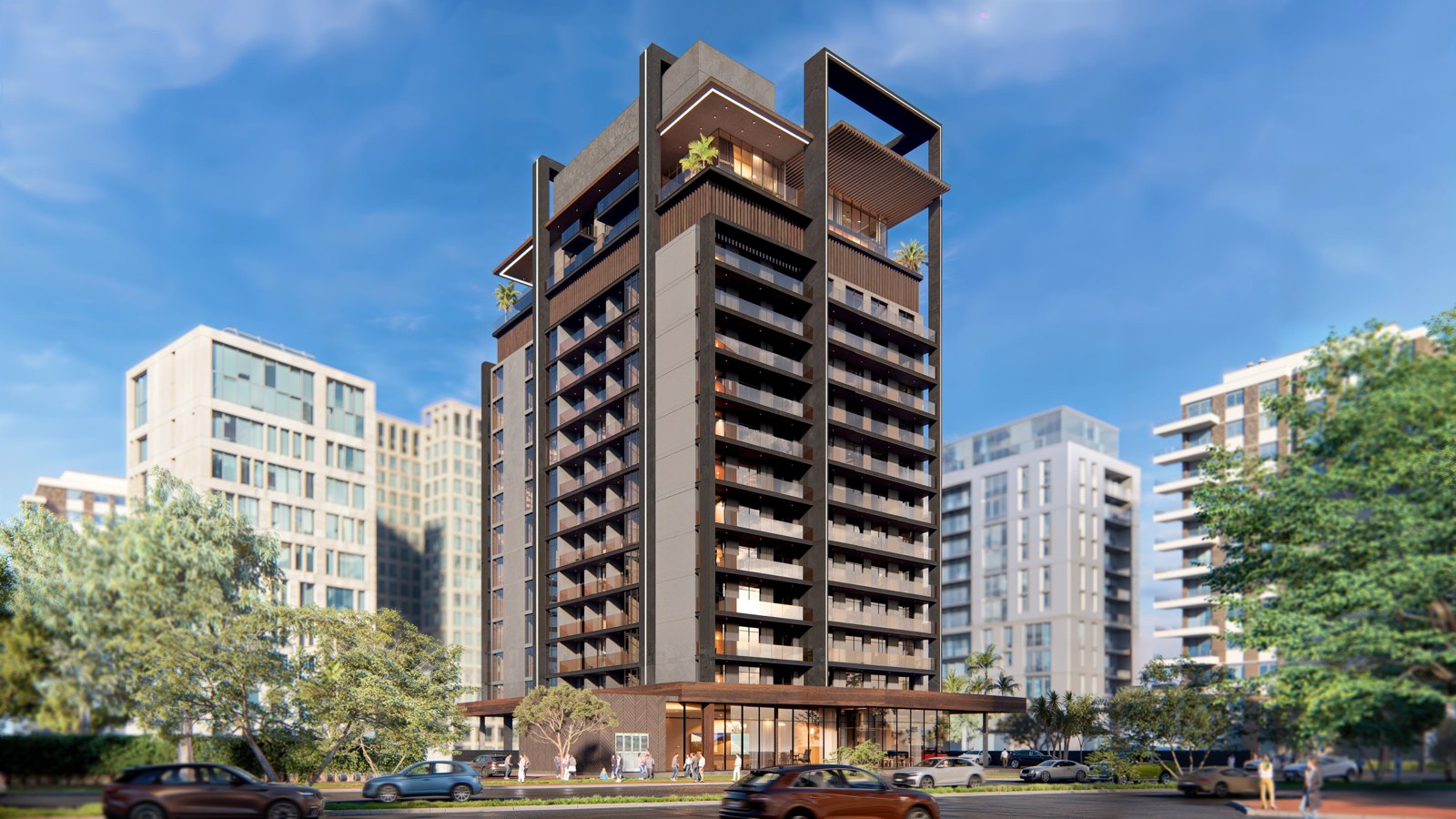
Heritage Development's debut project, Babylon in Barsha Heights, is delivered entirely within the DLD and RERA framework. Buyer funds sit in a project escrow account, the full construction cost is secured before drawdown, and progress is verified on a quarterly basis by the DLD. If you would like to understand what a Heritage Development purchase looks like in practice, including the payment plan structure, the escrow arrangement, and the project delivery timeline, contact our team directly. There is no referral required and no pressure to commit.
Frequently Asked
Questions
Is off-plan property in Dubai a safe investment?
It is a sound investment when approached with the right discipline. The DLD escrow framework, RERA oversight, and Oqood registration provide robust structural protection for buyer funds. The variables that buyers control, their capital reserves, their developer selection, and the payment plan they commit to, are the ones that most influence the outcome.
What is a Dubai real estate escrow account and how does it work?
Under Law No. 8 of 2007, all buyer payments for off-plan properties in Dubai must be held in a project-specific escrow account monitored by the DLD. The developer cannot access those funds until the full construction cost is secured. From that point, fund releases are tied to quarterly DLD site inspections, where only verified on-the-ground progress determines what is released.
What are the main risks of buying off-plan in Dubai?
The primary risks are self-imposed: overcommitting capital to a payment plan without adequate reserves, choosing a developer based on marketing rather than track record, and failing to verify that the project and developer are RERA-registered and that the escrow account is named in the SPA. The regulatory framework addresses developer-side risk. The buyer-side risks require buyer-side discipline.
How do I verify a developer is registered with RERA?
You can verify developer and project registration directly on the Dubai Land Department portal. Any project being sold off-plan in Dubai must be listed. If a developer cannot point you to their DLD and RERA registration, that is a significant warning sign.
What should I check in an off-plan Sales Purchase Agreement?
Confirm that the escrow account is named and numbered in the SPA. Confirm that all instalments route to that escrow account. Review the full payment schedule, including any post-handover obligations. Understand the exit provisions: under what conditions can you exit the contract, and what are the penalties. Cross-check all project documentation through DLD and RERA channels before signing.
Can I lose money buying off-plan in Dubai?
Yes, if you overextend your capital relative to your reserves, if you exit the contract before handover in a soft market, or if you select a developer without a demonstrable track record of delivery to the standard promised. The regulatory framework significantly reduces the risk of losing funds to a failing developer, but it does not eliminate the risks that come from the buyer's own financial position or decision-making.
How does Heritage Development handle escrow and buyer protection?
Heritage Development's Babylon project operates under full DLD and RERA compliance. Buyer funds are held in the project escrow account, the construction cost is secured before any drawdown, and progress is subject to quarterly DLD inspection. For detailed information, visit the Babylon project page or contact the team directly.